
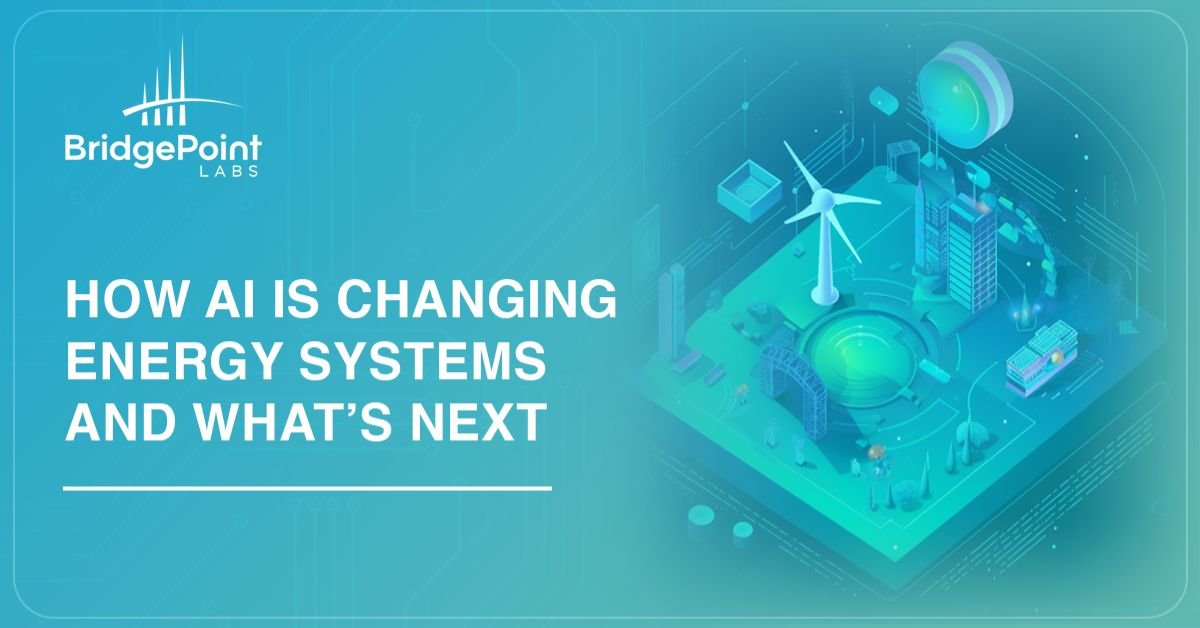
Artificial intelligence (AI) is no longer just a buzzword in tech circles—it’s transforming how we produce, distribute, and consume energy. From grid optimization to equipment monitoring and consumer demand prediction, AI is quietly becoming the nervous system of modern energy infrastructure.
As climate challenges intensify and renewable energy adoption grows, AI is not just an asset—it’s a necessity. The real question for 2025: How can innovators, utilities, and startups deploy AI responsibly and effectively in one of the world’s most complex and high-stakes systems?
AI’s Expanding Role in the Energy Sector
AI is playing an increasingly critical role in energy operations. Some of the most promising applications include:
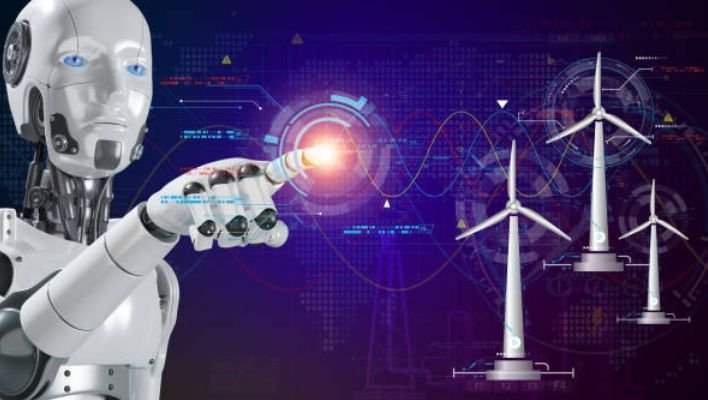
- Grid Forecasting & Balancing: Machine learning models help predict electricity demand, weather variations, and renewable energy generation—allowing grid operators to maintain real-time stability and prevent outages.
- Predictive Maintenance: AI models analyze sensor data from turbines, batteries, transformers, and pipelines to forecast equipment failure, reducing downtime and operational costs.
- Energy Market Optimization: AI tools enable real-time bidding in energy markets, optimizing prices and dispatch across variable power sources like wind, solar, and storage.
- Consumer Energy Management: Smart meters and AI-enabled home systems empower consumers to monitor and reduce their energy usage, unlocking new possibilities for demand-side flexibility.
Why This Matters Now
Several converging factors are making AI essential to the future of energy:
- Grid Complexity Is Growing: As distributed energy resources (DERs), EVs, and storage systems multiply, the grid must manage more decentralized, bidirectional flows than ever before.
- CleanTech Investment Is Booming: Billions in federal funding through the Inflation Reduction Act, Bipartisan Infrastructure Law, and BBB are backing clean energy deployment—but to work at scale, these systems require smart automation and coordination.
- Climate Variability Is a Wildcard: More frequent extreme weather events strain infrastructure. AI-enhanced resilience planning can anticipate risks and coordinate rapid responses more effectively than static models.
Startup and Utility Use Cases on the Rise
BridgePoint Labs is seeing rapid adoption across the CleanTech ecosystem, including:
- AI-Driven Microgrids: Startups are building microgrid controllers that learn from real-time usage patterns and weather forecasts to self-optimize generation and storage dispatch.
- Virtual Power Plants (VPPs): AI orchestrates thousands of small-scale assets—rooftop solar, batteries, EVs—into aggregated systems that provide grid services like frequency regulation and peak shaving.
- Emissions Optimization in Industrial Systems: AI platforms are helping large energy consumers reduce their Scope 1 and 2 emissions by tuning combustion, improving HVAC control, and identifying inefficiencies.
Challenges and Risks of AI in Energy
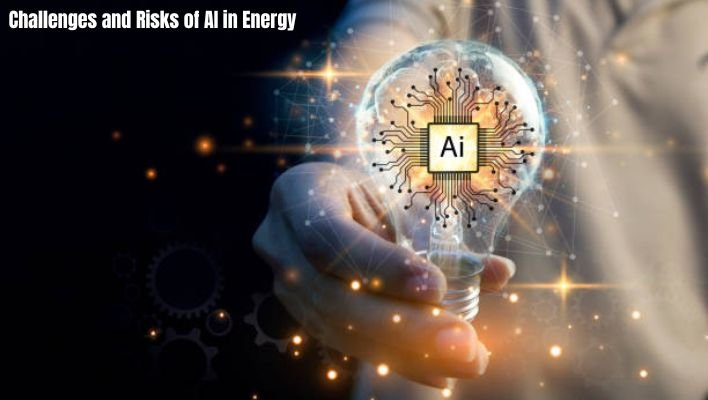
Despite its promise, deploying AI in critical infrastructure brings major challenges:
- Data Quality and Access: Many utilities still operate legacy systems with poor data interoperability. AI models are only as good as the data they ingest.
- Security and Cyber Risk: AI tools must be hardened against adversarial attacks, particularly in grid control systems where malicious manipulation could have catastrophic consequences.
- Transparency and Regulation: Regulators are increasingly focused on explainability and fairness in AI systems. Energy AI must be auditable and accountable, especially in rate-setting and system planning contexts.
- Workforce Readiness: Engineers and utility managers often need reskilling to understand, operate, and trust AI-driven systems.
How BridgePoint Labs Supports AI in Energy Innovation
We help startups, utilities, and government energy agencies:
- Identify high-impact AI use cases aligned with technical readiness and regulatory constraints
- Build AI development roadmaps for grid tech, DER orchestration, and industrial decarbonization
- Apply for non-dilutive funding (e.g., DOE ARPA-E, SBIR, and NSF grants) to develop and deploy AI tools
- Navigate data governance, cybersecurity, and ethical frameworks for AI in energy systems
Key Takeaways
- AI is already changing energy—beyond hype, real systems are benefiting today
- The biggest gains are in predictive optimization, automation, and risk reduction
- CleanTech startups must pair domain expertise with ML rigor to stand out
- Utilities need trusted partners to safely integrate AI into legacy systems
Bringing Intelligence to the Grid
Whether you’re an AI startup entering the CleanTech space, or a utility leader seeking smarter infrastructure, BridgePoint Labs can help you move from concept to deployment. Our team understands both the energy system and the algorithms shaping its future.
Let’s build a smarter, cleaner grid—together.